Ascetics
Loving God in Solitude and Simplicity
Description
“Ascetics want nothing more than to be left alone in prayer. Take away the liturgy, the trappings of religion, the noise of the outside world. Let there be nothing to distract them – no pictures, no loud music – and leave them alone to pray in silence and simplicity. Ascetics live a fundamentally internal existence. Even when they are part of a group of people, they might seem to be isolated from the others. …uncomfortable in an environment that keeps them from 'listening to the quiet.'”
(25, from Sacred Pathways by Gary Thomas)
Suggested Activities
- •Worship in the quiet of the night; rise in the early morning for prayer and worship
- •Practice silence – attend a silent retreat, participate in a silent meal
- •Fast; do physical labor as an act of worship
- •Practice obedience – ask God to reveal any rebellious attitudes
- •Simplify your life – clean a closet, have a yard sale, cull your books and papers
- •Look for ways and places to include others in your life
- •Make it a point to worship regularly in a fellowship of believers

Scriptures to Reflect On
Mark 3:13–20
13Jesus went up on a mountainside and called to him those he wanted, and they came to him.
14He appointed twelve that they might be with him and that he might send them out to preach
15and to have authority to drive out demons.
16These are the twelve he appointed: Simon (to whom he gave the name Peter),
17James son of Zebedee and his brother John (to them he gave the name Boanerges, which means "sons of thunder"),
18Andrew, Philip, Bartholomew, Matthew, Thomas, James son of Alphaeus, Thaddaeus, Simon the Zealot
19and Judas Iscariot, who betrayed him.
20Then Jesus entered a house, and again a crowd gathered, so that he and his disciples were not even able to eat.
Luke 5:15–16
15Yet the news about him spread all the more, so that crowds of people came to hear him and to be healed of their sicknesses.
16But Jesus often withdrew to lonely places and prayed.
NIV — New International Version
Study Questions
How do you spend alone time with God? Make a list.
- –Prayer, walking, gardening, worshiping
- –Reading the Bible, devotionals, prayer walks
- –Quiet moments before sleep or at the dinner table
How do you decide when those moments end?
- –When I finish the reading plan; when I fall asleep; when I feel like it
- –External cues: when it rains, when dinner starts, when you arrive home
- –What truly determines how long you linger with God?
This is how Jesus spent time alone with God:
Matthew 4:1–4
1Then Jesus was led by the Spirit into the wilderness to be tempted by the devil.
2After fasting forty days and forty nights, he was hungry.
3The tempter came to him and said, "If you are the Son of God, tell these stones to become bread."
4Jesus answered, "It is written: ‘Man shall not live on bread alone, but on every word that comes from the mouth of God.’"
What can we learn from how Jesus spent time alone with God? (Matthew 4:1–4)
- –Led by the Spirit — solitude can be Spirit-initiated, not just self-imposed
- –Fasted forty days — physical self-denial created space for spiritual focus
- –Resisted temptation with Scripture: ‘Man shall not live on bread alone’
What does privacy with God make possible?
- –The hard parts of your life naturally surface in solitude
- –Physical needs like hunger can point us to deeper spiritual ones
- –Even difficult moments of solitude can build faith
Warning: Sometimes being alone can draw out weaknesses in us — which can make us more easily fall into temptation. These weaknesses can be sinful, but they can also be good, human limits: losing sleep to pray, craving attention, becoming too hungry to make good choices. Even non-sinful limits can make us susceptible to sin. But Jesus protected himself by knowing the Bible and staying true to it.
Remember: A sacred pathway is a love language. Ascetics love to love God in simplicity and solitude. To try an ascetic style of worship, keep things simple in a moment alone with God — Jesus just prayed and reflected on Scripture. And sometimes he simply withdrew to pray, without any agenda beyond being with the Father.
Reflection Questions
- 1.What does “solitude” mean to you? Can you find this even when you are with a group of people? Explain how you do that.
- 2.What does “austerity” mean to you? How do you incorporate it into your life?
- 3.What does “discipline” look like in your life? In what ways does it satisfy you? Where would you like to experience more of it?
- 4.What are ways you connect with those around you? How satisfying are those connections? Would you like to improve/increase them? Why or why not? How might you change your interactions to make them more satisfactory?
Well Known Ascetics

John the Baptist
Prophet & forerunner of Jesus Christ
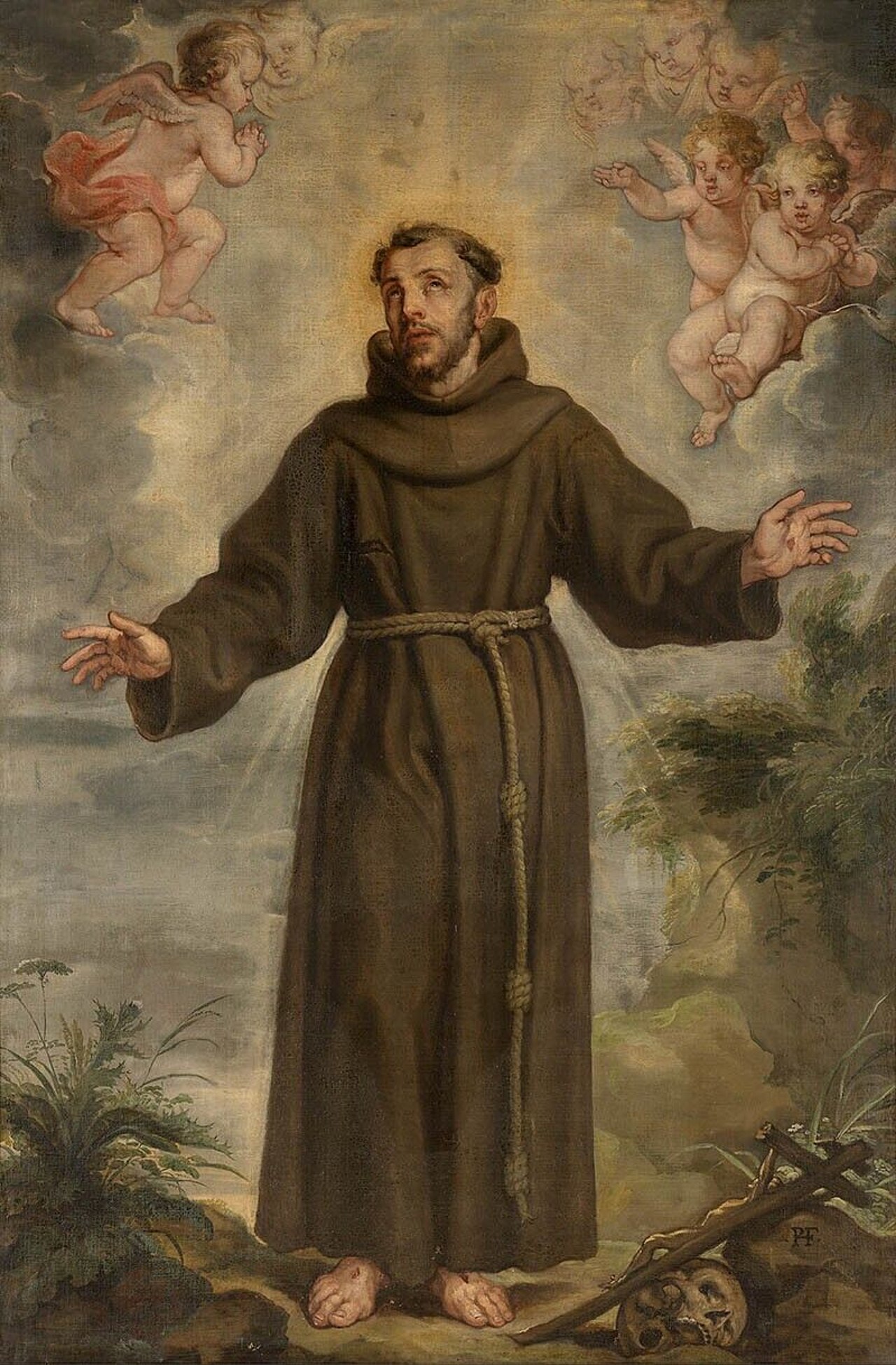
St. Francis of Assisi
Italian friar & mystic of radical simplicity
Resources
- Brother Lawrence. Practicing the Presence of God.
- Duffey, Felix (1950). Psychiatry and Asceticism. London: B. Herder.
- Foster, Richard. Freedom of Simplicity; Celebration of Discipline.
- Merton, Thomas. Basic Principles of Monastic Spirituality. ISBN: 087243222x
- Nouwen, Henri J. M. The Way of the Heart: Desert Spirituality and Contemporary Ministry. Harper SanFrancisco. (1991). ISBN: 0060663308
- Pennington, M. Basil (1983). A Place Apart: Monastic Prayer and Practice for Everyone. New York: Doubleday.
- Rousseau, Philip (1978). Ascetics, Authority, and the Church: In the Age of Jerome and Cassian. London: Oxford University Press.
Sources